

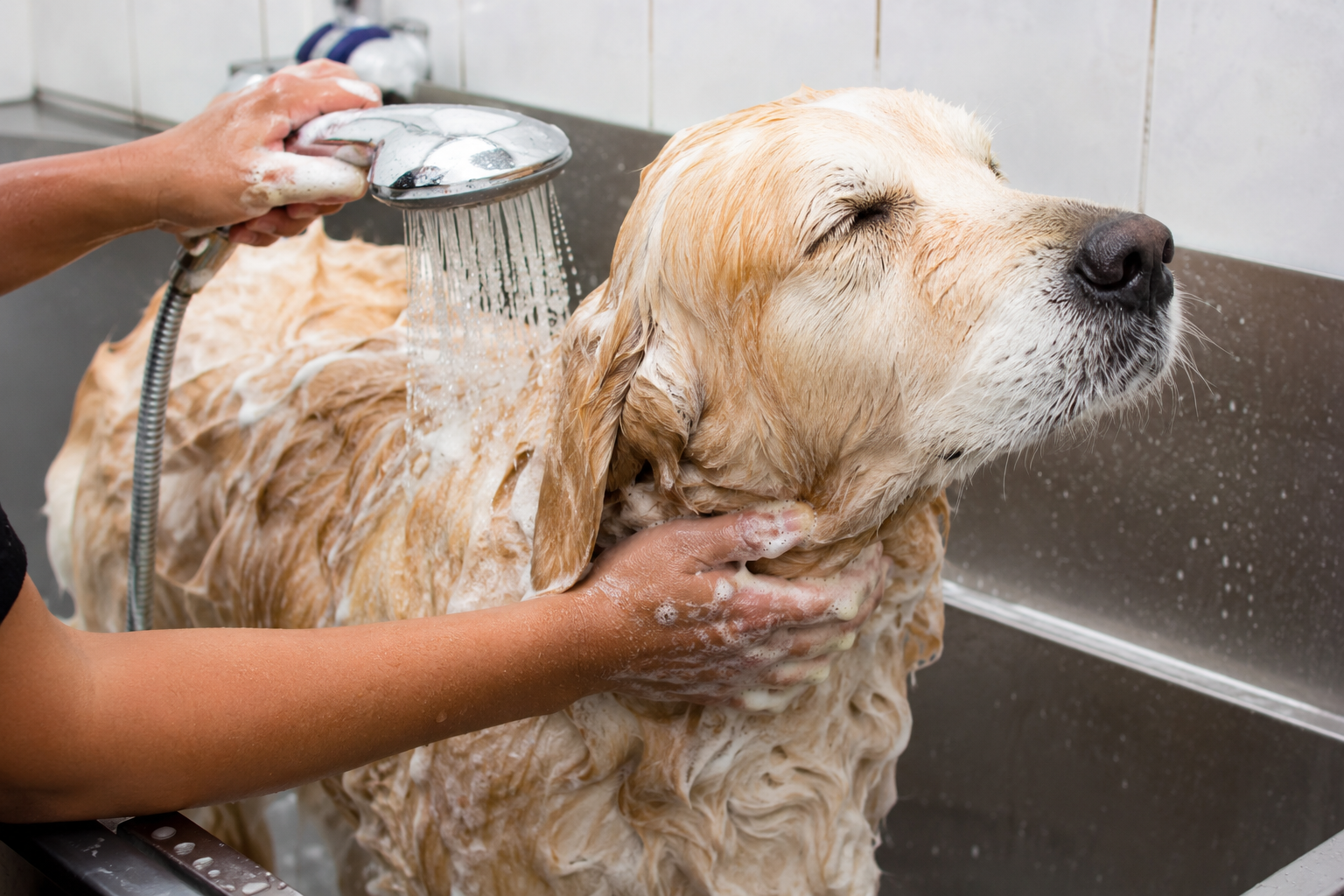
Dogs are more than just pets; they become part of the family. They share our homes, routines, and many of our happiest moments. As dog owners, we all want our furry companions to stay healthy, active, and comfortable throughout their lives. While providing food and shelter is important, proper grooming and nutrition play an equally significant role in maintaining a dog’s overall well-being. Many pet owners focus heavily on feeding their dogs but overlook the importance of regular grooming. In reality, good nutrition and proper hygiene work together to support a healthy and happy dog. Visiting a professional dog wash shop regularly can help maintain your dog’s skin, coat, ears, nails, and overall cleanliness while also allowing professionals to identify early signs of health problems. This complete guide will help you understand how nutrition, grooming, seasonal care, and professional dog wash shop services contribute to your dog’s health and happiness. Why Proper Dog Care Matters Dogs depend entirely on their owners for their daily needs. Unlike humans, they cannot communicate discomfort, pain, or health issues directly. Instead, they show subtle signs through changes in behavior, appetite, energy levels, or appearance. Bright and alert eyes Clean ears A shiny coat Healthy skin Strong teeth Good energy levels Normal eating habits When these indicators begin to change, it may signal an underlying issue that requires attention. The best approach to canine health is prevention rather than treatment. A balanced diet and regular grooming routine can prevent many common health problems before they become serious. The Foundation of Health: Proper Nutrition Nutrition is one of the most important factors influencing a dog’s health. Every cell in your dog’s body depends on nutrients obtained from food. Understanding Protein Requirements Dogs require high-quality protein to build and maintain muscles, support immune function, and repair tissues. When choosing dog food, look for ingredients such as: Chicken Turkey Beef Lamb Salmon Fish meal These ingredients should appear near the top of the ingredient list. Foods that rely heavily on fillers like corn, soy, and artificial additives may provide calories but often offer limited nutritional value. Healthy Fats and Their Benefits Healthy fats are essential for maintaining: Skin health Coat quality Brain function Joint support Energy production Omega-3 and Omega-6 fatty acids are particularly beneficial. Common sources include: Fish oil Salmon oil Flaxseed Sardines Dogs receiving adequate healthy fats often have shinier coats and experience less dryness and itching. Carbohydrates and Fiber Although dogs primarily benefit from protein and fats, carbohydrates provide additional energy. Good carbohydrate sources include: Sweet potatoes Brown rice Oats Pumpkin Peas Fiber helps regulate digestion and promotes healthy bowel movements. Importance of Hydration Water is often overlooked despite being one of the most critical nutrients. Dogs should always have access to fresh, clean drinking water. Dehydration may cause: Dry nose Reduced energy Poor skin elasticity Digestive problems Always monitor your dog’s water intake, especially during hot weather. Signs Your Dog’s Diet May Need Improvement Sometimes poor nutrition becomes visible before owners realize there is a problem. Watch for symptoms such as: Excessive shedding Dry skin Frequent itching Dull coat Low energy Digestive issues Weight gain or loss Bad breath If you notice these signs, consult your veterinarian and review your dog’s diet. The Importance of Grooming Grooming is much more than making your dog look good. Regular grooming supports: Healthy skin Better circulation Reduced shedding Early disease detection Improved comfort Better hygiene Many health issues are first discovered during routine grooming sessions. Why a Professional Dog Wash Shop Makes a Difference Many owners bathe their dogs at home and wonder whether professional grooming is necessary. While home grooming can be useful between appointments, a professional dog wash shop provides specialized equipment and expertise that are difficult to replicate at home. Deep Coat Cleaning Professional groomers use equipment designed specifically for dogs. Benefits include: Better dirt removal Thorough undercoat cleaning Reduced shedding Healthier skin These tools remove debris that ordinary home brushes often miss. Expert Coat Maintenance Different breeds require different grooming techniques. For example: Poodles require regular trimming. Golden Retrievers need undercoat maintenance. German Shepherds benefit from de-shedding treatments. Huskies require seasonal coat management. A professional dog wash shop understands breed-specific requirements. Early Health Detection One often-overlooked benefit of professional grooming is early problem detection. Experienced groomers may identify: Skin infections Hot spots Fleas and ticks Ear infections Lumps or bumps Abnormal skin growths Early identification allows owners to seek veterinary care sooner. Essential Services Offered by a Dog Wash Shop Most professional dog wash shops offer a variety of services beyond bathing. Bathing and Shampooing Professional bathing includes: Thorough coat cleansing Skin-friendly shampoos Odor removal Coat conditioning Specialized shampoos may be available for sensitive skin, allergies, or excessive shedding. Nail Trimming Overgrown nails can cause serious problems. Long nails may lead to: Joint strain Poor posture Pain while walking Increased injury risk Regular trimming helps maintain proper movement and comfort. Ear Cleaning Dogs with floppy ears are especially prone to ear infections. Professional ear cleaning helps remove: Wax buildup Dirt Moisture Odor-causing bacteria Teeth Cleaning Dental care is often neglected by dog owners. Poor oral hygiene may lead to: Bad breath Gum disease Tooth loss Infection Many grooming facilities offer basic dental cleaning services. Seasonal Dog Care Tips Dogs experience changing needs throughout the year. Summer Care Summer brings several challenges. Prevent Heatstroke Heatstroke can become life-threatening very quickly. Signs include: Heavy panting Excessive drooling Weakness Vomiting Collapse Always provide shade and water. Grooming During Summer Contrary to popular belief, completely shaving most dogs is not recommended. A dog’s coat helps regulate body temperature and protects against sun exposure. A professional dog wash shop can provide an appropriate summer trim. Flea and Tick Prevention Warm weather increases parasite activity. Check your dog regularly and use veterinarian-approved preventive products. Winter Care Cold weather can also affect your dog’s health. Protect Paw Pads Ice, snow, and road salt may damage paw pads. After walks: Rinse paws Dry thoroughly Apply pet-safe moisturizer if needed Prevent
Best Dog Food India – Complete Guide for Healthy and Happy Dogs
Best Dog Food India: A Complete Guide to Keeping Your Dog Healthy and Happy As a pet parent, one of the most important decisions you will make is choosing the right food for your dog. Proper nutrition plays a vital role in your dog’s overall health, energy levels, immunity, digestion, and lifespan. With so many options available in the market, finding the Best Dog Food India can feel overwhelming. A healthy diet not only helps your dog stay active and fit but also prevents many common health problems. In this comprehensive guide, we will discuss how to choose the right dog food, the nutrients your dog needs, signs of poor nutrition, and how changes in your dog’s behavior may indicate an underlying health issue Why Choosing the Right Dog Food Matters Dogs require a balanced diet that includes proteins, fats, carbohydrates, vitamins, and minerals. Feeding poor-quality food for an extended period can lead to several health issues, including obesity, digestive disorders, skin problems, weak immunity, and nutritional deficiencies. A high-quality dog food helps: Build strong muscles Support healthy bones and joints Improve digestion Maintain healthy skin and coat Strengthen the immune system Increase energy levels Support brain function Improve overall quality of life When searching for the Best Dog Food India, it is essential to focus on nutrition rather than simply choosing the cheapest option available. Essential Nutrients Every Dog Needs 1. Protein Protein is the most important nutrient for dogs. It supports muscle development, tissue repair, and overall growth. Good protein sources include: Chicken Fish Lamb Turkey Eggs Dogs that receive adequate protein generally have better muscle mass, improved energy, and healthier coats. 2. Healthy Fats Fats provide concentrated energy and help maintain healthy skin and fur. Healthy fat sources include: Fish oil Chicken fat Flaxseed Salmon oil Omega-3 and Omega-6 fatty acids are particularly beneficial for skin and coat health. 3. Carbohydrates Carbohydrates provide energy and support digestive health when included in appropriate amounts. Good carbohydrate sources include: Brown rice Oats Sweet potatoes Barley Avoid foods that rely heavily on low-quality fillers. Vitamins and minerals support immune function, bone health, and overall body processes. Important nutrients include: Calcium Phosphorus Zinc Iron Vitamin A Vitamin D Vitamin E 5. Fiber Fiber promotes healthy digestion and supports gut health. Common fiber sources include: Beet pulp Pumpkin Sweet potato Vegetables How to Choose the Best Dog Food India Before buying dog food, consider the following factors. Check the Ingredient List The first ingredient should ideally be a quality protein source such as chicken, fish, or lamb. Avoid products that list vague ingredients like: Meat derivatives Animal by-products Artificial flavor enhancers Consider Your Dog’s Age Different life stages require different nutritional profiles. Puppy Food Puppies need: Higher protein More calories Additional calcium This supports healthy growth and development. Adult Dog Food Adult dogs require balanced nutrition to maintain ideal body weight and overall health. Senior Dog Food Senior dogs often benefit from: Lower calorie content Joint-supporting nutrients Easier-to-digest ingredients Consider Breed Size Small, medium, and large breeds have different nutritional requirements. Large breeds often require: Joint support Controlled calcium levels Weight management formulas Small breeds may need: Smaller kibble sizes Higher energy density Dry Dog Food vs Wet Dog Food Dry Dog Food Dry food remains the most popular choice among Indian pet owners. Benefits include: Longer shelf life Cost-effective Easy storage Helps reduce plaque buildup Wet Dog Food Wet food contains more moisture and is often more appealing to picky eaters. Benefits include: Better hydration Enhanced taste Easier chewing Which One Is Better? Neither option is universally better. Many veterinarians recommend combining dry and wet food for a balanced feeding routine. Signs Your Dog May Not Be Getting the Right Nutrition Poor nutrition can affect your dog’s health in several ways. Watch for symptoms such as: Low energy Weight loss Weight gain Dull coat Excessive shedding Digestive problems Frequent infections Skin irritation If these signs persist, a dietary review may be necessary. If Your Dog Has Been Sad for Several Days, It Could Be a Health Problem Many pet owners assume their dog is simply feeling lazy or bored. However, if your dog appears sad, withdrawn, or inactive for several days, there may be an underlying medical issue. Possible causes include: Digestive Problems Stomach discomfort can make dogs feel lethargic and unhappy. Common digestive issues include: Gas Constipation Diarrhea Indigestion Food intolerance A dog experiencing stomach discomfort may: Refuse food Sleep more than usual Avoid playing Show signs of discomfort when touched Intestinal Parasites Worms are a common problem in dogs. Symptoms may include: Weight loss Reduced appetite Bloated stomach Low energy Dull coat Regular deworming is important for maintaining digestive health. Gastrointestinal Disorders Conditions affecting the digestive tract can significantly impact your dog’s mood and behavior. Possible symptoms include: Vomiting Diarrhea Loss of appetite Abdominal pain Dental Problems Pain in the mouth can cause dogs to stop eating and become less active. Watch for: Bad breath Difficulty chewing Drooling Avoiding food Nutritional Deficiencies A poor-quality diet may lead to nutrient deficiencies that affect both physical and mental well-being. Other Medical Conditions Persistent sadness may also indicate: Infection Joint pain Liver problems Kidney disease Hormonal disorders If your dog remains unusually sad or inactive for more than a few days, consulting a veterinarian is recommended. Foods That Are Dangerous for Dogs Never feed your dog: Chocolate Grapes Raisins Onions Garlic in large amounts Alcohol Xylitol-containing products Excessively salty foods These foods can be toxic and potentially life-threatening. How to Transition to a New Dog Food Changing food suddenly can upset your dog’s digestive system. Follow this gradual transition: Days 1–3 75% old food + 25% new food Days 4–6 50% old food + 50% new food Days 7–9 25% old food + 75% new food Day 10 100% new food This allows the digestive system to adjust comfortably. Common Mistakes Dog Owners Make Many owners unintentionally make feeding mistakes. Common examples include: Overfeeding Too much food can lead to obesity